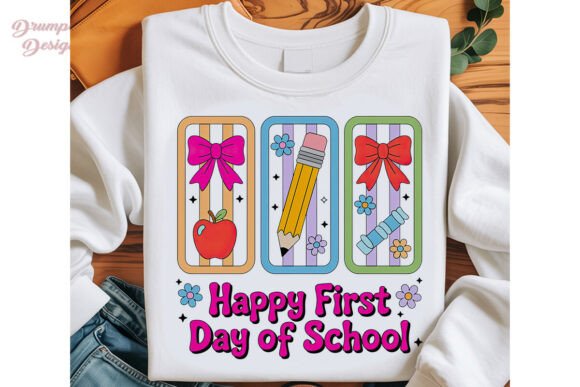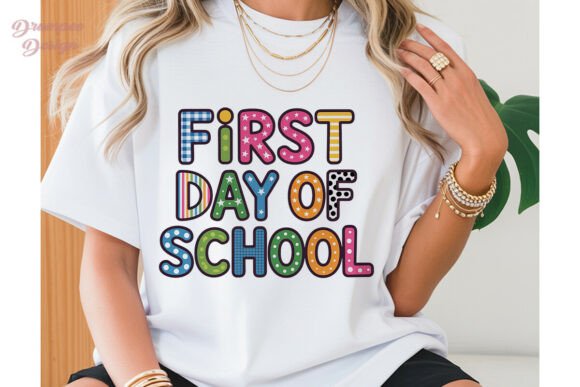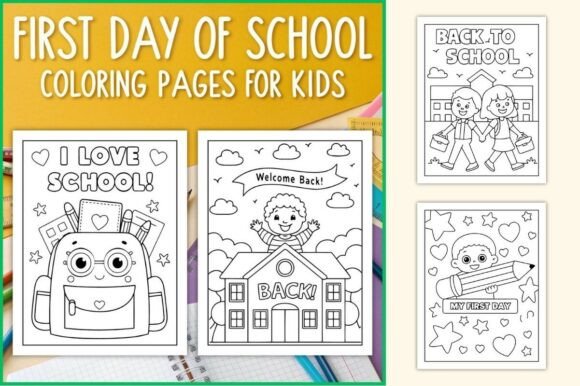
First Day of School Coloring Pages
In the dynamic world of graphic design, even the simplest activities can serve as powerful tools for visual communication and brand connection. The First Day of School Coloring Pages exemplify this potential, transforming a traditional educational activity into a sophisticated asset that bridges the gap between creative expression and professional design standards.
These 21 printable pages are not merely black-and-white outlines; they represent a curated collection of creative assets designed with precision. From the moment a child picks up a crayon, they engage with visual hierarchy, learning to distinguish between the bold lines of a school bus and the intricate details of a classroom setting. For designers and marketers, understanding the structural integrity of these illustrations offers valuable insights into how print design and digital assets can be optimized for maximum engagement and emotional resonance.
The Role of Visual Design in Educational Branding
When evaluating resources like this set, it is essential to look beyond the surface. The color palette and composition within these pages reflect modern aesthetics that appeal to young audiences while maintaining professional quality. Each illustration, whether depicting smiling classmates or backpacks, contributes to a cohesive brand identity for educational institutions or parenting brands looking to connect authentically with families.
The high-quality print-ready format ensures that these images maintain their clarity across various mediums. This scalability is crucial for marketing materials where consistency is key. Whether used in a physical brochure or adapted for social media graphics, the vector-like precision of the original designs allows for seamless integration into larger campaigns without losing detail.
- Brand Identity: Consistent use of character styles reinforces recognition across different touchpoints.
- User Engagement: Interactive elements like coloring increase time spent with content, boosting retention.
- Creative Projects: These assets provide a foundation for developing custom storybooks or educational apps.
Practical Applications Across Design Disciplines
The versatility of this collection extends far beyond the classroom. In the realm of web design and UI design, similar line-art styles can be repurposed for onboarding flows or interactive landing pages, guiding users through a journey with gentle, inviting visuals. The clean lines and open spaces allow for easy customization, making them ideal for packaging design where space is limited but impact must be high.
For editorial design, these illustrations offer a fresh alternative to stock photography, providing unique design inspiration that stands out in magazines or digital newsletters. When crafting advertising campaigns for back-to-school seasons, integrating these relatable scenes helps humanize the message, fostering an emotional connection that drives action.
In digital marketing, the ability to customize these pages for specific demographics demonstrates a deep understanding of UX design. By offering personalized experiences, brands can enhance user satisfaction and loyalty. Furthermore, the inclusion of diverse elements like school buses and classrooms supports inclusive design practices, ensuring that visual communication resonates with a broad audience.
Evaluating Design Elements for Professional Results
Selecting the right assets requires a keen eye for typography balance and compositional flow. The 8.5×11 inch page size is a standard choice that aligns perfectly with existing design workflows, ensuring compatibility with most printers and digital platforms. The absence of bleed settings simplifies the production process for quick-turnaround projects, reducing the risk of errors during final output.
Designers should consider how color interacts with line weight to create depth. A well-executed logo design often relies on the same principles found here: simplicity, clarity, and memorability. By studying how these coloring pages utilize negative space and line variation, creators can apply those lessons to their own modern aesthetics and professional presentation strategies.
Moreover, the focus on fine motor skills and emotional expression highlights the psychological impact of visual stimuli. In packaging design or merchandise, leveraging these insights can lead to products that not only look good but also feel meaningful to the consumer. The joy derived from coloring translates into positive brand associations, proving that thoughtful design goes hand-in-hand with user experience.